On February 9, 2026, the European Commission adopted Directive (EU) 2026/288 amending Directive 91/676/EEC on nitrates, introducing conditions for the use, above the limit of 170 kg N/ha/year, of certain fertilizers obtained from treated livestock manure.
The publication in the Official Journal of the European Union (OJEU) opens up new opportunities for farms, biogas plants, and agri-food supply chains, but with a clear message: do not relax water protection, as the new solutions will be subject to technical and control criteria.
Nitrates Directive: what changes for agri-food and biogas
In Nitrate Vulnerable Zones (NVZs), the Nitrates Directive stipulates that the application of manure and treated manure must not exceed 170 kg of nitrogen per hectare per year.
Under Directive (EU) 2026/288, Member States may authorize an “extra” amount of up to 80 kg N/ha/year through the use of specific fertilizers defined as RENURE (REcovered Nitrogen from manURE). This is only possible if technical requirements and safeguards are met.
For those who manage digestate and wastewater, there are two practical implications:
- it opens up a way to reduce the forced export of water-rich matrices and lower logistical pressure in saturated areas;
- increases the need for process control and output quality, because adopting RENURE means dealing with a series of technical and operational conditions.
How Member States apply the Directive (e.g., derogations)
The Directive emphasizes that the amendment does not change the obligations of Member States unless they decide to implement the new option in Annex III.
The Directive does not automatically change the rules in every country. It only changes if (and when) a Member State transposes the derogation into its national law: that is, it establishes who can use RENURE, under what conditions, with what requirements for use, and with what control and monitoring systems. Until then, the ordinary framework remains valid (limit 170 k N/ha/year).
In the past, there have been cases of exemptions from the regulations based on evidence that a higher limit does not compromise water quality.
In the 2016-2019 implementation cycle, according to a summary by the European Environmental Bureau, the Commission granted exemptions to six Member States: Belgium, Denmark, Ireland, Italy (Lombardy and Piedmont), the Netherlands, and the United Kingdom.
In particular, Ireland is a specific case with a derogation allowing up to 250 kg N/ha on “derogation farms.”
Fertilizer shock 2022-2023
This opening is due to the need to strengthen strategic autonomy and reduce exposure to volatile prices of natural fertilizers. Using RENURE fertilizers means producing a “European fertilizer,” increasing autonomy and sustainability. The measure is also part of the Farm to Fork framework, which aims to reduce nutrient losses by at least 50% by 2030 and achieve a reduction in fertilizer use of at least 20%.
What are RENURE fertilizers?
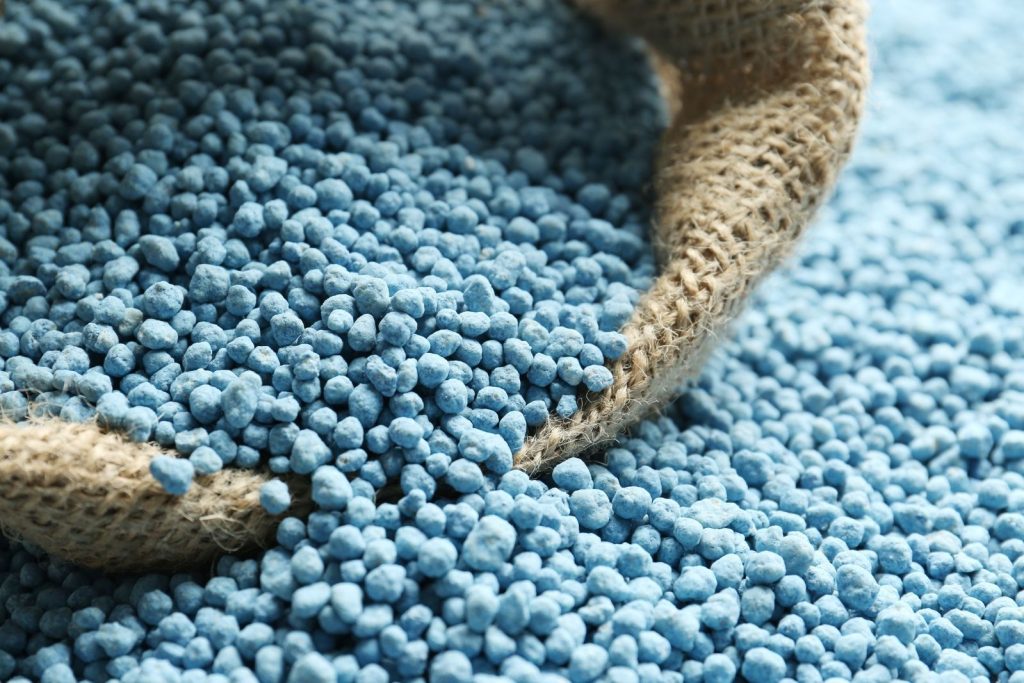
The term RENURE (REcovered Nitrogen from manURE) is used by the Commission to refer to fertilizers obtained from livestock manure which, after treatment, have characteristics that allow them to function in a manner comparable to mineral fertilizers under certain conditions. According to the JRC (Joint Research Center), this is a product with chemical and agronomic characteristics comparable to synthetic fertilizers.
Examples of RENURE products
Directive 2026/288 explicitly mentions three types that may fall under the new possibility:
- mineral concentrates from ultrafiltration and reverse osmosis;
- ammonium salts (scrubbing salt): obtained from processes involving the removal of ammonia from off-gas;
- struvite (phosphate salt rich in nitrogen).
Environmental protection
RENURE responds to the drive for the Green Deal and the Circular Economy: by 2030, the Farm to Fork strategy aims to reduce the use of chemical fertilizers by at least 20%, with the goal of decreasing nitrogen and phosphorus pollution.
Why use RENURE fertilizers? With nitrogen readily available for plant assimilation, they have a leaching potential (loss of nitrates into groundwater) similar to that of chemical fertilizers, reducing the risk of water pollution.
Furthermore, this is not a case of “new” nitrogen being introduced into the system, but rather a recycling of existing nitrogen, a concept that fits perfectly with the circular economy.
Regulations and compliance: where the complexity lies
The derogation from the Directive presents an excellent opportunity, but it is not without limitations and stringent controls. In order for recovered nitrogen to no longer be considered “manure,” it must meet strict technical criteria established by the JRC, but that’s not all.
The regulatory “triangulation” that determines the status of the material
Three EU regulatory pillars contribute to defining the classification of treated material (digestate or livestock manure): the Nitrates Directive, the Fertilizer Regulation, and the Waste Framework Directive. Together, these regulations define the conditions under which the material can be managed as waste, by-product, or product, and directly affect authorizations, compliance requirements, controls, traceability, and opportunities for valorization along the supply chain.
Nitrates Directive (91/676/EEC): limits and NVZ action plans.
The Directive classifies material as “animal manure, including treated manure” if it contains nitrogen from animal effluents, applying the limit of 170 kg N/ha/year in NVZs.
With the recent derogation from Annex III, it will now be possible to treat manure—using specific production processes—to obtain RENURE products, exceeding the above limit. Transposition is expected by March 2, 2028.
EU Fertilizer Regulation (2019/1009): when a fertilizer is an “EU product.”
The Regulation defines an “EU fertilizing product” as a substance or mixture that provides nutrients to plants, with CE marking if it complies with criteria relating to composition, safety, and labeling. Digestate and waste compounds therefore cease to be waste and fall within the scope of RENURE if they comply with certain parameters.
Waste Framework Directive (2008/98/EC): by-product vs waste vs end-of-waste.
This Directive is important because it determines how material is “classified” along the supply chain and, consequently, what obligations apply to those who produce and manage it. In summary:
- if a material is waste, specific restrictions and authorizations apply to its management, transport, and traceability;
- if it is a by-product, it can be managed outside the waste regime, but only if it complies with specific conditions;
- If it ceases to be waste (end-of-waste), it can enter a “product” cycle with consistent quality requirements and controls.
This Directive comes into play whenever a derivative of livestock manure or digestate wants to make a “status leap”: from material to be managed as waste to valuable output along the supply chain.
Real impacts on livestock farming, agribusiness, and biogas plants
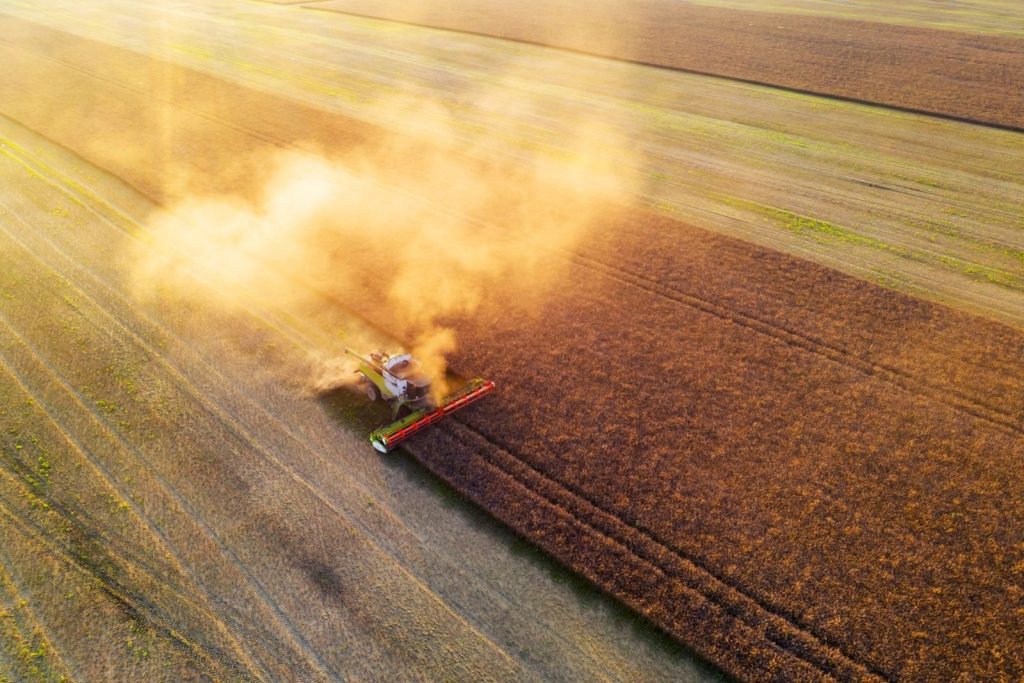
In Italy, the livestock sector is responsible for approximately 79% of total agricultural emissions. These emissions come from waste. Managing this waste involves significant costs and logistical challenges. If the plant produces consistent and traceable output, the following benefits are achieved:
- less dependence on mineral fertilizers (and their volatility) thanks to nutrients recovered in the supply chain;
- less logistical friction when the matrix is transformed into more manageable fractions;
- a new business opportunity: the possibility of monetizing the output as fertilizer, transforming part of the operating costs into a potential revenue stream or competitive advantage.
New monitoring and output quality requirements
However, authorizing the use of RENURE fertilizers also means applying specific environmental safeguards and complying with stability and quality criteria:
- consistent batch-to-batch quality;
- high mineral nitrogen/total nitrogen ratio (≥ 90%) or organic carbon/total nitrogen ratio ≤ 3;
- limits on contaminants (e.g., metals)
It is not enough to treat; you need to produce standard, demonstrable output.
Solutions to seize the RENURE opportunity
RENURE is an industrial opportunity to rethink nitrogen management throughout the livestock and biogas supply chain, especially where wastewater and digestate consist mainly of water: when regulatory constraints require volumes to be transported over long distances, the problem becomes primarily logistical and operational (as well as environmental).
The opportunity offered by RENURE becomes concrete when a supply chain builds a line capable of transforming a variable matrix into manageable, stable, and traceable outputs.
Categories of solutions along the supply chain
- PRE-TREATMENT AND CONDITIONING: includes solid/liquid separation and clarification solutions (mechanical and/or membrane-based) to reduce solids, stabilize the line, and protect subsequent stages. Objective: less variability, more continuity.
- CONCENTRATION AND WATER REDUCTION: when logistics is the main pressure, the lever is to reduce the water content and obtain denser, more manageable fractions. Energy integration is very important here.
- MINERAL NITROGEN RECOVERY: processes that extract/concentrate nitrogen (based on the matrix and layout), with one key point: repeatable quality and management of by-products/consumption.
- STABILIZATION AND PRODUCT READINESS. It’s not just technology: it includes sampling, specifications, traceability, and a quality control logic that stands up to audits and checks.
Themis: RENURE as a tool for optimizing industrial strategy
RENURE is a tool that transforms a constraint into an industrial project.
For many agricultural and livestock businesses and biogas plants, the goal is to design a path that leads to stable and valuable outputs.
This is where the ability to bring together three elements makes the difference: characterization of the matrix, technology suited to the actual case, and plant configuration. This is where Themis comes in as a partner to build a sustainable, tailor-made solution.
From unstable matrix to manageable output: industry demands standards
Digestate and wastewater are not all the same, but investors require outputs with repeatable and demonstrable characteristics. Themis conducts pilot tests and has a research and development laboratory in order to identify the solutions best suited to specific industrial needs.
Complex and turnkey plants
When we talk about RENURE, especially in the case of biogas plants and in agro-industrial contexts, an integrated project is required: energy management, automation, maintenance, quality management.
The value of the turnkey model lies here: a turnkey system means a line designed as a single system.
Application example: liquid treatment and risk management
A biogas plant in a vulnerable area produces digestate all year round, but can only spread it during certain periods and with strict limits. The risk is ending up with volumes that are too large to manage, rising logistics costs, and little operational flexibility.
In these cases, an effective solution is to separate and stabilize the digestate, reducing volumes and transforming the source material into easily controllable outputs.
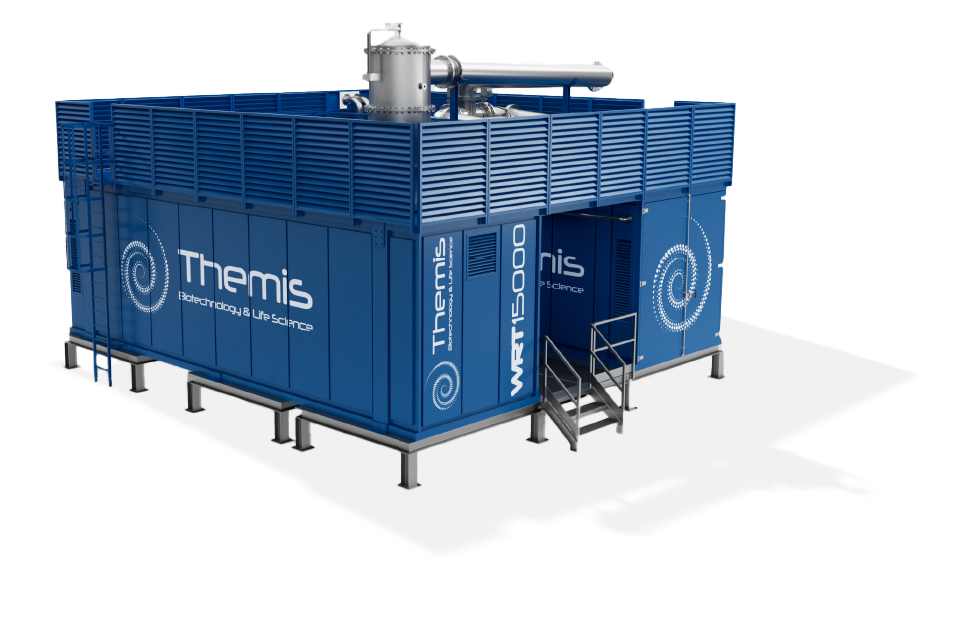
This is precisely the principle behind Themis’ WRT. Thanks to this technology, digestate and sewage are treated and converted into two fractions:
- an aqueous fraction, potentially recoverable or easier to manage (depending on characteristics and authorizations);
- a stabilized solid fraction, easier to store and utilize.
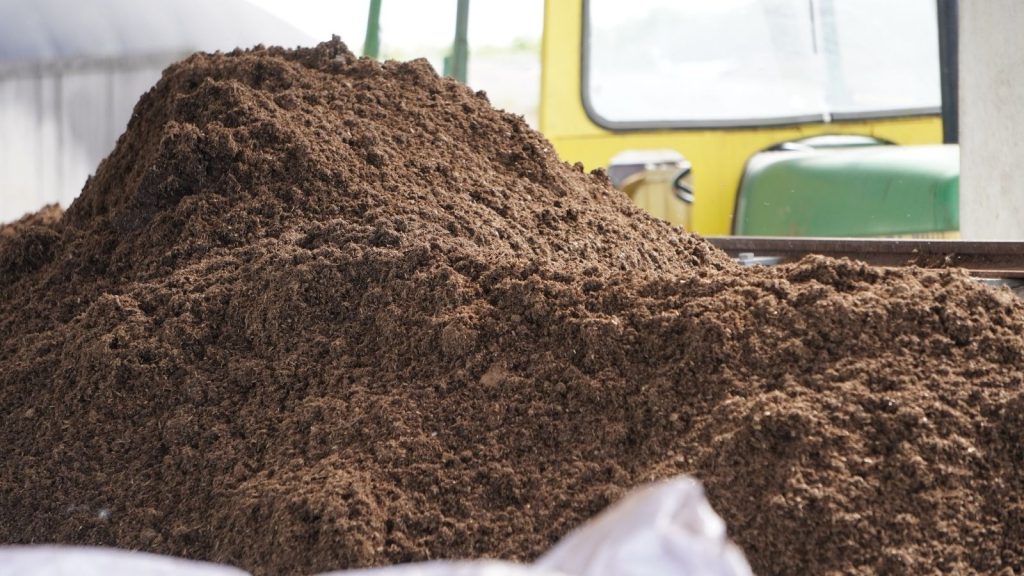
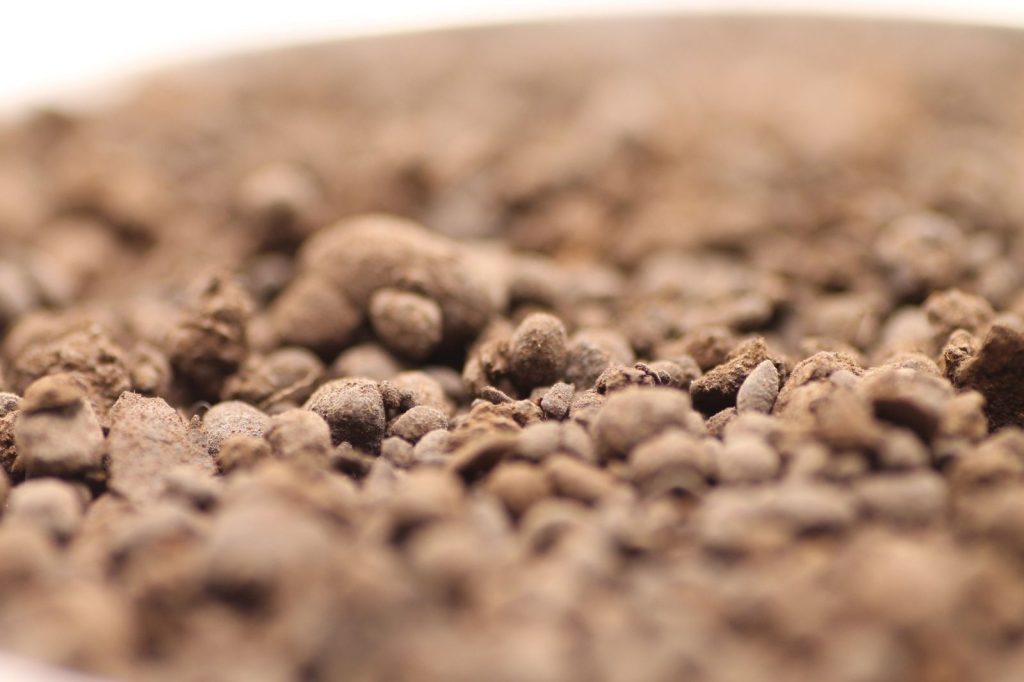
A concrete example is the case study of the company Wrote. Here, WRT was designed to treat solid digestate from livestock waste and, through the use of microorganisms, transform it into a ready-to-use fertilizer capable of stimulating soil fertility.
The advantage of WRT goes beyond resource regeneration; it is also strategic. These are modular and scalable plants, with tailor-made, turnkey designs. This allows companies to have a solution that precisely meets their needs and integrates control and quality. In this way, valorization is not just a hypothesis, but becomes a more manageable and replicable process over time.
Sustainability: from goal to KPI
Sustainability is becoming a performance metric: it impacts costs, authorizations, supply chains, and market access. The 2025 report by Confagricoltura reports that companies with greater sustainability achieve higher levels of productivity (€94,000 in turnover per employee). In this context, the adoption of RENURE can help make nitrogen management more efficient and traceable, reducing dependencies and operational friction.
Themis supports companies and entrepreneurs in translating these objectives into KPIs and consistent plant design choices: tailor-made and turnkey solutions to transform waste and by-products into more stable and valuable outputs, in line with the principles of the Circular Economy.