On the 4th of August 2024, the new IED 2.0 (Industrial and Livestock Rearing Emissions Directive), formally Directive (EU) 2024/1785, came into force. It is an update that changes the perspective: it does not merely “tweak” limits and procedures, but broadens the scope and raises the bar for environmental responsibility for thousands of operators. The objective is consistent with the European ambition of “zero pollution” by 2050: to reduce the impact of pollution on health and the environment by taking action on air, water and soil, with a more integrated and measurable regulatory framework.
Translated with DeepL.com (free version)
In this scenario, talking about the circular economy is not just a communication exercise: it is a concrete lever for reducing volumes, simplifying management and transforming critical flows (wastewater, sludge, organic waste) into more stable and valuable outputs. This is where Themis’ approach comes in: tailor-made engineering, internal testing and validation, and technologies that aim to reduce waste and environmental impact in a measurable way.
Translated with DeepL.com (free version)
What is the IED 2.0 Directive and why has it been updated?
The IED is the European framework for integrated pollution prevention and control (IPPC): the underlying idea is simple and powerful: to manage the environmental impact of industrial installations in an integrated manner, imposing authorisation conditions based on the best available techniques and structured emission control.
The IED 2.0 regulation affects approximately 37,000 industrial installations and also includes (with an updated approach) sectors and activities that have shown environmental criticalities and increasing pressures over the years, such as waste and certain areas related to intensive livestock farming. At the same time, there is growing attention on two often underestimated elements: traceability and demonstrable environmental performance. It is no longer enough to simply “comply with regulations” in a static way: dynamic management is needed, based on data, Best Available Techniques (BAT) and solutions that reduce overall impact, including indirect emissions linked to logistics, transport and waste management.
With Directive (EU) 2024/1785, the Union is strengthening this framework to make it more suited to three needs that have become central:
- Reduce environmental pressures more effectively (even where performance is currently uneven).
- Extend coverage to sectors/activities relevant in terms of impact and volume.
- Making transparency a driver: more structured, comparable and accessible data.
Main objectives: reduction of water, air and soil pollution
IED 2.0 aims to minimise the impact of pollution on people and the environment by addressing the main matrices (air, water, soil) and related pressures (waste, resource consumption). The update is part of the “zero pollution” path and the broader Green Deal design, with an approach that rewards efficiency, innovation and the ability to demonstrate results.
Main new features of IED 2.0 for industrial plants
Extension of the scope of application
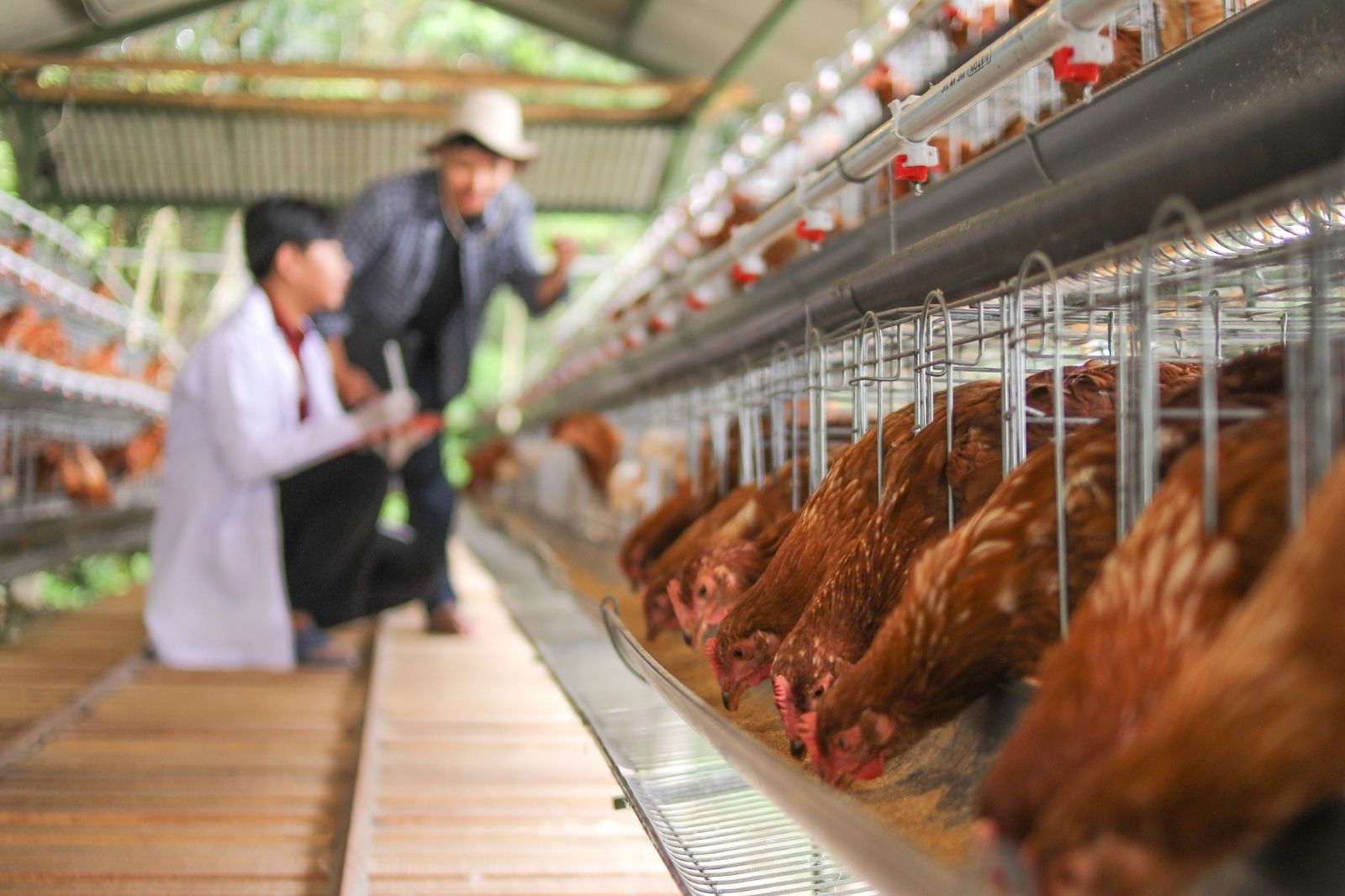
One of the most discussed changes concerns the inclusion and more targeted regulation of emissions from intensive livestock farming (in particular pigs and poultry) with the aim of addressing the most significant environmental pressures, without extending the obligations to small operators: the Commission points out that the scope of application concerns large farms with the greatest impact and also introduces simplified management for certain agricultural businesses (registration/simplification procedures) to reduce the administrative burden compared to a traditional “industrial” authorisation.
Stricter emission limits and revised BAT (Best Available Techniques) values
IED 2.0 strengthens the link between authorisations and BAT-AELs (the emission levels associated with BATs) and consolidates the expectation of more consistent application across countries and sectors. In practice: when BATs and BREFs are updated, authorisation conditions and performance are also expected to align more quickly and robustly, reducing grey areas and disparities.
New Industrial Emissions Portal (IEPR) and enhanced reporting requirements
Transparency becomes infrastructure. Regulation (EU) 2024/1244 establishes the Industrial Emissions Portal (IEPR), a European portal that collects and makes accessible environmental data from installations: not only pollutant releases and transfers, but also information on water, energy and resource use to monitor progress towards a more circular and resource-efficient economy.
Practical impacts on businesses: obligations, costs and risks of non-compliance
For many companies, the real impact of IED 2.0 plays out on three levels.
1) Authorisations and technical adjustments.
When BAT/BREFs change or when the plant falls within updated perimeters, there may be an increased need to invest in technologies, monitoring, flow management and process optimisation.
2) ‘Visible’ and ‘invisible’ costs.
In addition to direct costs (plant interventions, analyses, consulting, reporting), indirect costs also arise: inefficiencies in wastewater management, increased transfer/disposal costs, exposure to operational risks (downtime, storage saturation, logistical issues).
3) Rischio compliance e reputazione.
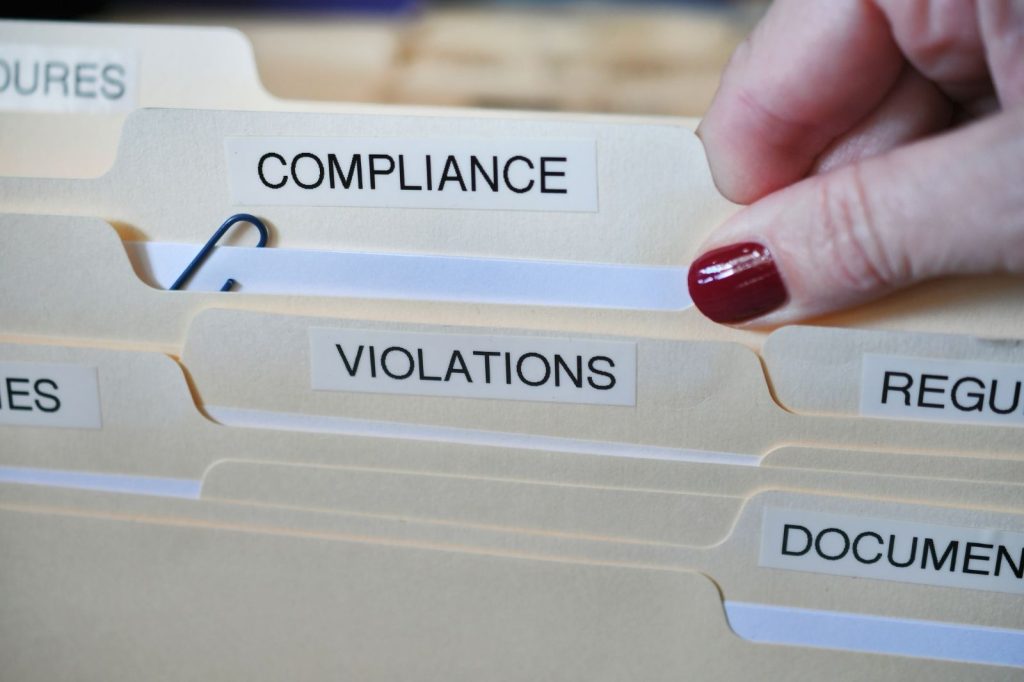
Con reporting più strutturato e dati più accessibili, la non conformità non è solo un rischio sanzionatorio: può tradursi in ritardi autorizzativi, contestazioni, perdita di affidabilità verso stakeholder e filiere.
If you operate in the agri-food sector, IED 2.0 is intertwined with an already dense regulatory framework. For a practical overview of the sector’s obligations and trends, here is our in-depth analysis of EU regulations for the food sector.
Compliance tools: BAT, BREF and technological innovation
Role of best available techniques (BAT) and BREF review
BATs remain the cornerstone: a set of solutions, configurations and management practices considered most effective in preventing/reducing impacts. BREFs (BAT Reference Documents) translate this logic into technical references. From a business perspective, the point is not to chase compliance at the last minute, but to set up a “BAT-ready” approach: data, testing, scalability, and technological choices that truly reduce pressure and complexity.
Incentives for the circular economy and decarbonisation
IED 2.0 operates in a European context that promotes efficiency and circularity: reducing waste volumes, recovering resources, limiting consumption and minimising indirect emissions (transport, logistics, wasted energy) is not just ‘nice to have’, but a concrete way to make compliance more resilient over time, because it acts on the causes, not the symptoms.
Themis WRT: the ideal technological solution for compliance with IED 2.0
When regulatory pressure increases, there is a risk of responding with fragmented solutions: one ‘piece’ to reduce a parameter, another to manage storage, and yet another to contain costs and logistics. The Themis approach, on the other hand, aims to address an issue that is often decisive for overall environmental performance: the management of wastewater, sludge and waste with a high water content, where it is often necessary to pay to move water and where operational complexity generates inefficiencies and risks.
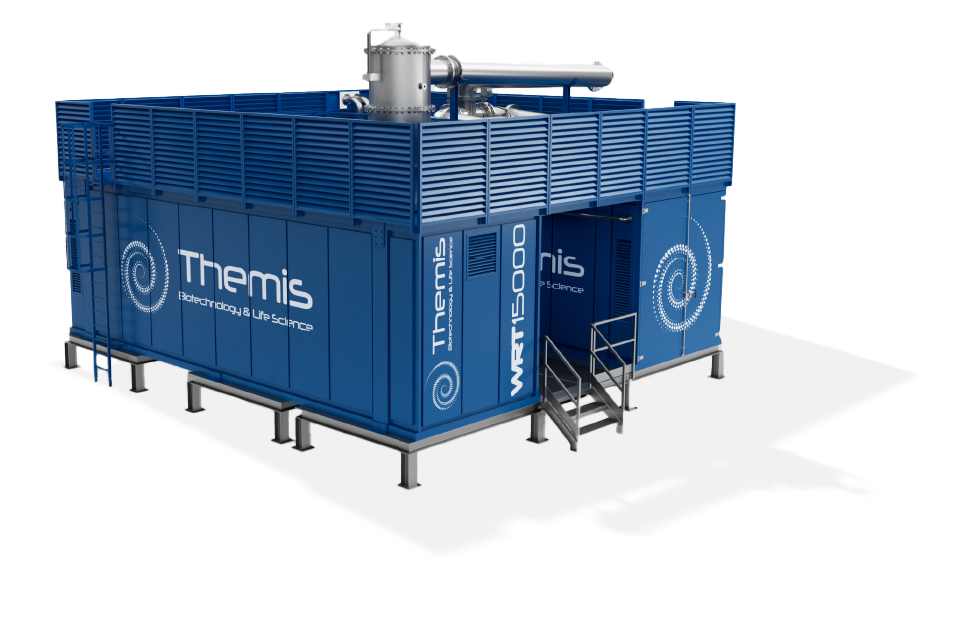
Themis WRT (Waste Recovery Technology) is designed to optimise the treatment of various matrices (wastewater, sludge, organic waste and other flows) using a multi-stage process that transforms the input into distilled water and stabilised dry product.
Tangible benefits
Reduction of indirect emissions
WRT integrates treatment logic that—through vapour condensation and controlled process management—aims to prevent dispersion and simplify operational management. Above all, by reducing volumes and movements, it helps to cut a often significant portion of indirect emissions (transport, movement, handling).
Volume reduction
The drastic reduction in the volume of waste destined for disposal (between 70% and 90% depending on the matrix and objective) has an immediate impact on logistics, storage, transport and operating costs.

Resource recovery and new business opportunities
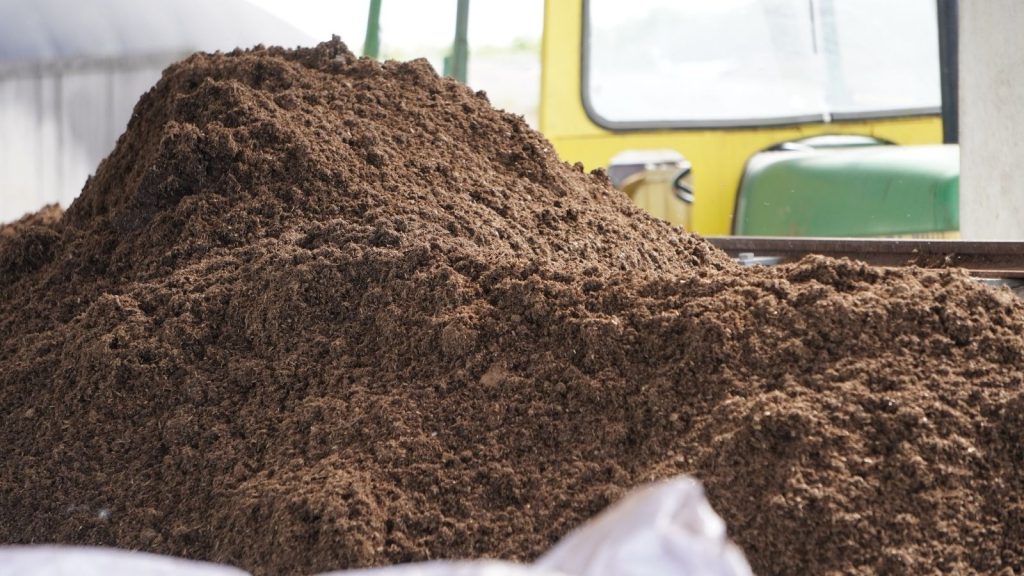
WRT allows the flow to be transformed into two distinct outputs: distilled water and a more stable and manageable dry fraction. This not only simplifies operational management, but also changes the economic perspective: when a material becomes more separate, stable and “readable”, it may be more suitable for recovery and valorisation (based on matrix, analysis and authorisation context), opening up new opportunities for internal use or supply chain synergies. In other words, reducing the management burden can go hand in hand with creating outputs with potential added value, making the circular economy more concrete.
Tailor-made approach
A distinctive feature of the Themis approach is tailor-made design supported by analysis and testing: from data collection and characterisation, to pilot plant testing and validation, to design and remote support. This is particularly useful when compliance is not “standard”, but depends on complex matrices and site-specific constraints.
IED 2.0 raises the bar: more scope, more data, more BAT consistency and more pressure on the demonstrability of environmental performance. In this context, the circular economy is not just a claim: it is a way to make compliance more robust because it reduces volumes, inefficiencies and risks. With WRT, Themis works precisely on that point, transforming critical flows into more manageable and potentially valuable outputs, with an engineering-based, tailor-made approach.