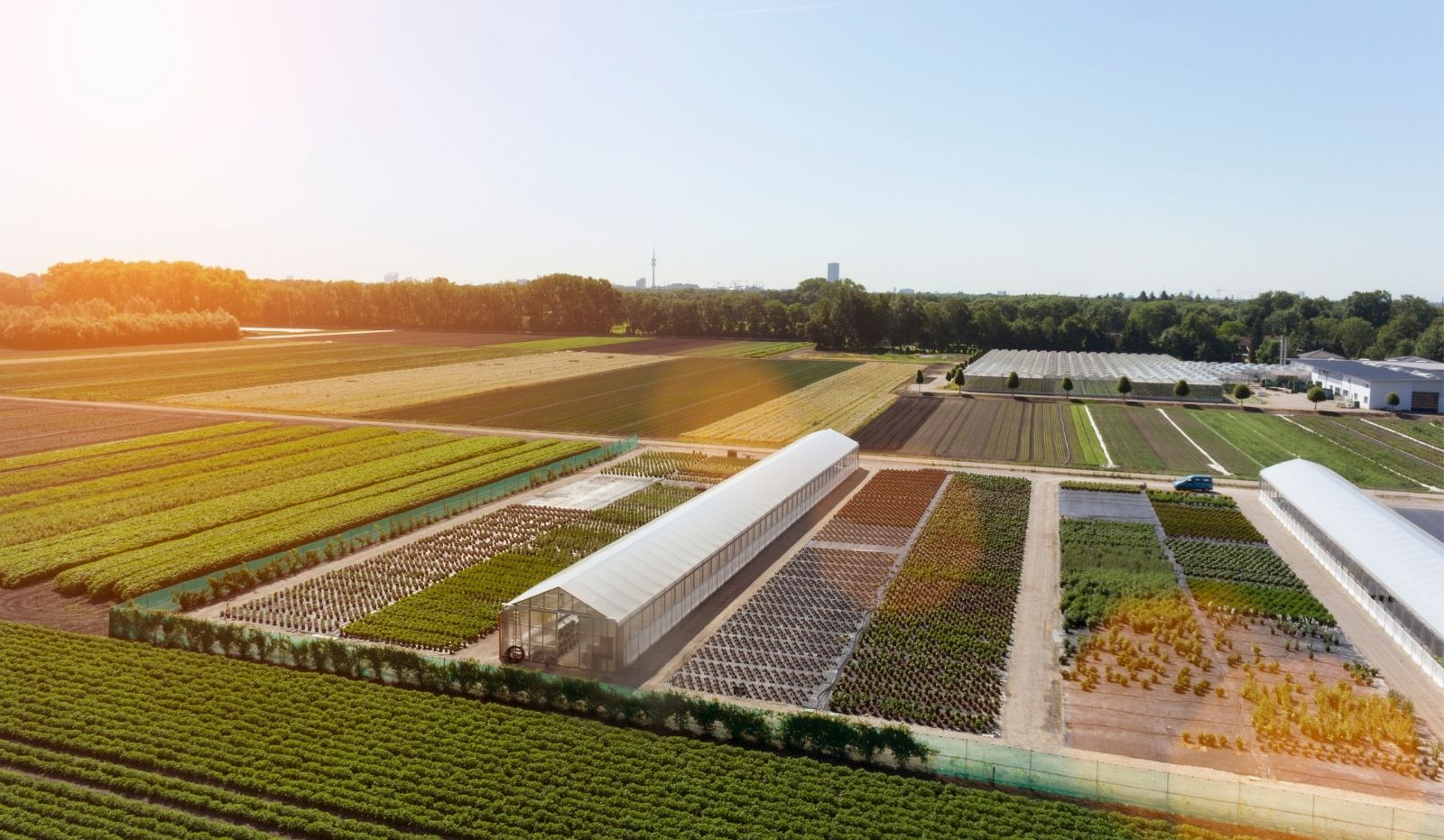
The agri-food industry is one of the largest globally, but it is also one of the biggest drivers of environmental impact. In our country and in Europe, the weight of this sector is no longer negligible, which is why verifiable targets, obligations, and requirements have been created to achieve climate neutrality by 2050.
In this scenario, “sustainability” means something very concrete: reducing measurable impacts while ensuring compliance. Here we see where the environmental footprint of the supply chain is concentrated (with a practical focus on factories) and which EU regulations are essential to know.
How much pollution does the food industry cause and why is sustainability important?
The environmental impact of the agri-food supply chain
The agri-food sector has a significant impact on the environment because, in order to produce food, it consumes resources on a large scale and generates impacts throughout the entire chain.
In terms of climate, food production is responsible for around 30% of global emissions, with livestock farming alone contributing around 14.5%. But it is not just a question of CO₂: farming and livestock breeding require space (over 40% of land is used for agricultural activities) and a lot of water (agriculture absorbs around 70% of available fresh water).
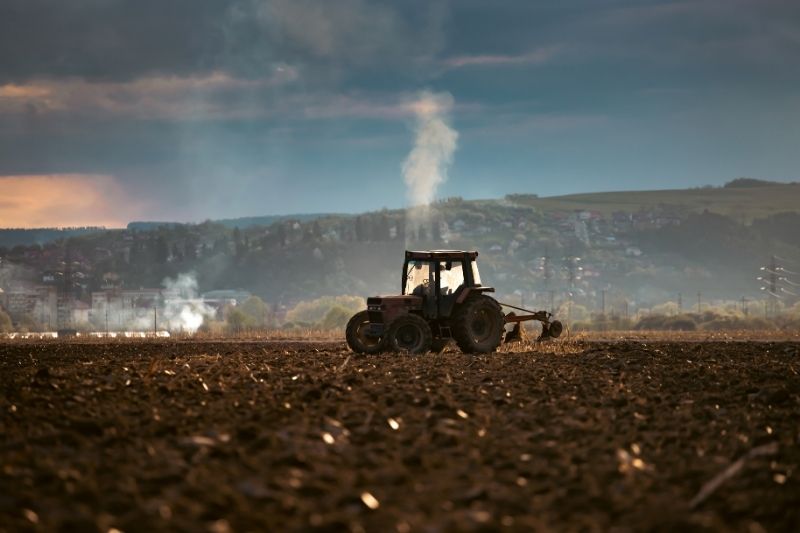
This combination of emissions, land use, and water consumption is reflected in ecosystems: the food system is considered one of the main causes of biodiversity loss, accounting for up to almost 80%.
What does this mean in practice for a factory? Sustainability is not a statement: it is work involving numbers, flows, and operational choices. Here, the golden rule applies: if you don’t measure it, you can’t manage it.
Food waste and refuse: why they are an environmental (and cost) issue for businesses
Food waste is not just an ethical issue: it is an industrial cost (raw materials purchased and not utilized), an environmental cost (resources used “in vain”), and a management risk (storage, odors, recalls, non-compliance).
In the European Union alone, more than 59 million tons of food are wasted every year, a figure that is even more absurd when we consider that this corresponds to over 130 kg of food per person.
This is where waste management becomes a strategic issue: not just “disposing” of waste, but reducing volumes, stabilizing matrices, separating correctly, and recovering value where possible, while remaining within the regulatory framework.
The main environmental regulations for the food sector in the EU
In the food sector, sustainability is no longer an “extra”: it is part of the scope of compliance, with rules that influence the daily choices of businesses. The EU is pushing for decarbonization and more circular models and, as a result, is raising the bar on what needs to be measured, monitored, and demonstrated.
The point is not to know all the acronyms: it is to understand what obligations apply to critical flows (emissions, waste, packaging, traceability) and how to prevent them from becoming operational risks or uncontrolled costs.
Greenhouse gas emissions
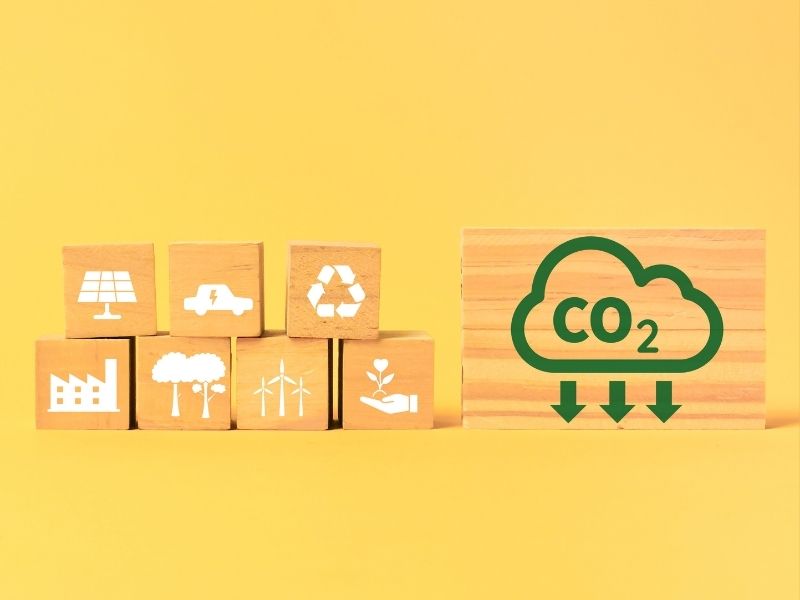
Here, the key word is control: control of emissions and, increasingly, control of the conditions that generate them.
- IED 2.0 – Industrial Emissions Directive: this is the main tool for reducing emissions into the air, water, and soil and preventing waste production from large industrial plants (including many livestock farming activities, sludge management, waste treatment, and intensive farming). With the 2024 amendment, there is a greater focus on thresholds, performance, and controls, and the importance of a “compliance-by-design” approach is increasing: plants and procedures designed to withstand checks and updates.
- Consolidated Environmental Act (Legislative Decree 152/2006): this is a piece of legislation that brings together all national environmental legislation in a single decree. It regulates limits and regulations for atmospheric emissions, discharges, waste, etc.
- Implementing Decision (EU) 2023/2749: defines BAT (Best Available Techniques) for industrial emissions in the animal products sector.
- Odorous emissions (Art. 272-bis): delegation to the Regions of specific measures to prevent and limit odorous emissions through technical and management actions.
Waste and food waste
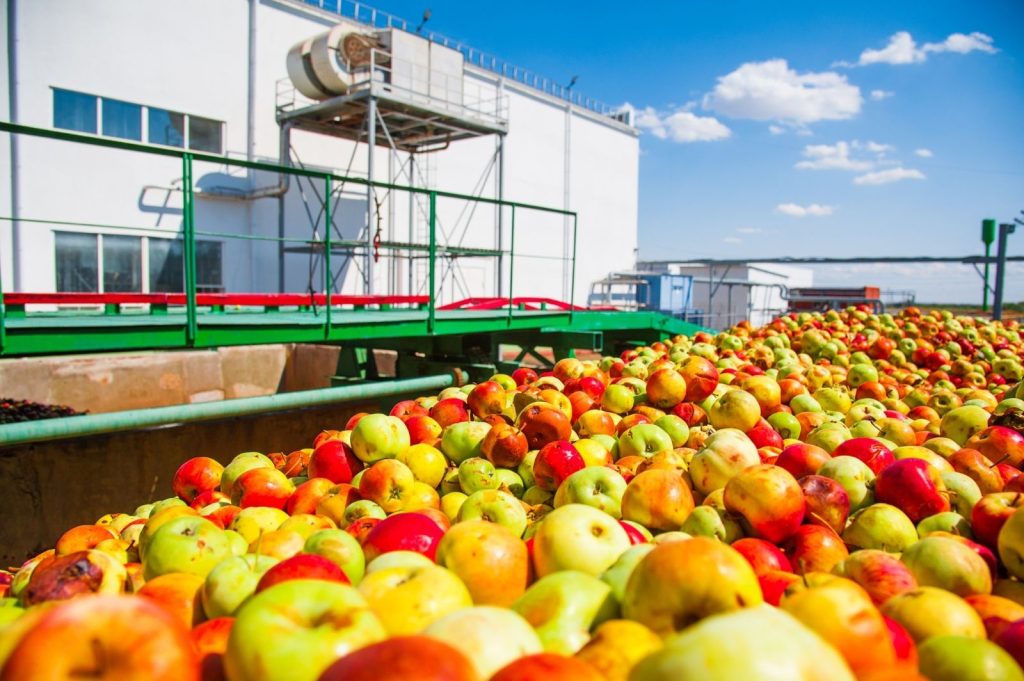
If emissions are the environmental “thermometer,” waste is often the most immediate “cost center.” For food, waste management is not just about disposal: it’s about volume, moisture, storage, collection frequency, and traceability.
The EU framework is shifting its focus to two areas that are extremely important in the food sector. The first is reducing food waste, and the second is packaging.
- Waste Framework Directive: defines rules and hierarchy for waste management (prevention → reuse → recycling → recovery → disposal), with a focus on organic waste and waste along the agri-food supply chain.
- PPWR (packaging and packaging waste): new EU regulation to reduce packaging waste and promote recyclability and reuse.
- FPR (Fertilizing Product Regulation): regulates the production and sale of fertilizers in the EU, clarifying what can become a product and what remains waste (a key issue for those who want to valorize industrial organic waste).
- Environmental labeling: requires correct instructions for separate waste collection to be indicated on the packaging.
Voluntary sustainability certifications
There are non-mandatory certifications that companies can obtain to demonstrate their commitment to sustainability. These do not replace regulatory compliance, but they help to structure processes, data, and continuous improvement. Furthermore, in the food industry, they are often an important commercial lever.
Here are some of the main sustainability certifications relating to the agri-food sector:
- ISO 14001: environmental management system standard to reduce impact, optimize resources, and demonstrate commitment to sustainability
- ISO 20001: currently being developed as a standard dedicated to the management of food loss and waste, with publication expected in 2027
- ISO 50001: energy management system (EnMS), useful for reducing consumption and improving energy performance with a structured approach.
- EU Organic Certification (Reg. 2018/848): “Euroleaf” label for products obtained in accordance with environmental and animal welfare criteria defined at EU level;
- GlobalG.A.P.: private standard for sustainable agriculture, food safety, traceability, and worker protection, widely used in fruit/vegetable production, livestock farming, and agricultural crops.
- Rainforest Alliance: standards for sustainable agriculture, forest conservation, worker protection; applicable to crops such as coffee, cocoa, fruit, vegetables, herbs, etc.
- AWS (Alliance for Water Stewardship): certifies that a company manages water responsibly, reducing consumption and impact and following a standard verified by independent audits.
Circular economy in the food sector: how it helps comply with regulations (and reduce costs)
The circular economy in food is not just a slogan: it is a way to transform obligations and constraints (waste, discharges, emissions) into industrial efficiency.
When you reduce waste, volumes, and variability of flows (organic, sludge, process water) upstream, you also reduce situations that usually generate non-compliance: critical storage, overly frequent collections, odorous emissions, peaks in wastewater, and more complex document management. At the same time, a circular approach forces you (in a positive sense) to measure better: the quantity and quality of flows, yields, consumption, and treatment results.
Furthermore, there is an often underestimated advantage: the reduction of “invisible” operating costs (transport, handling, internal management). Because, in many cases, the real waste is not just the scrap: it is the unnecessary volume that you find yourself managing every day.
The role of Themis: from de-risking to tailor-made solutions
At this point, the question is simple: how do you move from EU rules and objectives to something that really works in your company, without complicating your life?
Themis works precisely on this transition. First, it identifies where value is being “lost”: which waste has the greatest impact, which flows generate costs and critical issues, and which interventions make sense to reduce the impact and risk of non-compliance. Then it builds a tailor-made solution, designed for the company’s everyday reality.
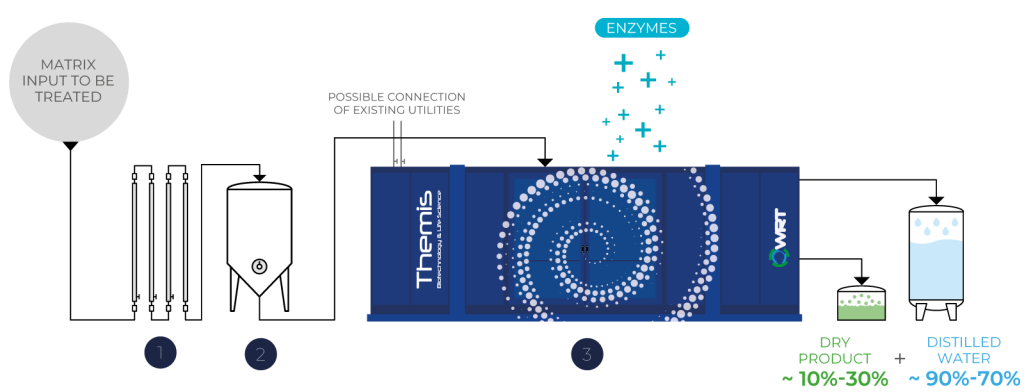
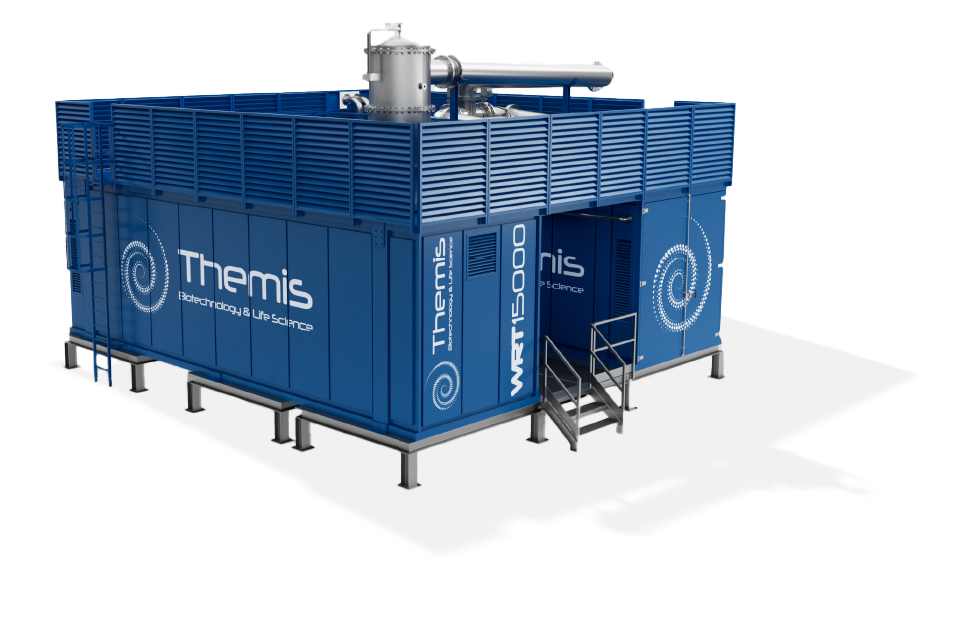
In the food industry, wet waste is often the main issue: it takes up space, requires storage, generates odors, and requires frequent collection. This is where WRT comes in, reducing the volume to be managed and transforming waste into new valuable resources.
Sustainability in the agri-food sector is not an abstract issue: EU regulations make it increasingly important to demonstrate concrete results in terms of emissions, waste, packaging, and traceability.
And often the most effective starting point is also the most pragmatic: waste and refuse, because that is where hidden costs and waste are concentrated. With the support of Themis, the goal becomes practical: to simplify management, reduce volumes, and transform a daily problem into new opportunities.